22 Fun & Engaging Memory Games for Kids

Table of Contents

Top Memory Games for Kids

Are you looking for memory games for kids? These fun learning activities will keep those little minds sharp and entertained. These games improve listening, concentration, thinking, and recall, making them an excellent choice for educational activities. Perfect for family gatherings, playdates, or the classroom, these games promise learning and fun. Let’s dive in.

Key Takeaways:Incorporating a mix of memory games into a child’s learning offers an evidence-backed way to build foundational language skills. The ability to adjust these memory games according to age means that parents and educators can integrate an activity-based approach to mix up learning at any age level.

Visual Memory & Recall

1. Memory Matching Card Game

“Memory” is the classic matching card game that helps improve kids’ memory skills.

How to play the Memory Matching Card Game

Memory matching games involve cards with pairs of matching images. The cards are shuffled and placed face down. Players take turns flipping over two cards.

If the cards match, the player keeps the pair and gets another turn. If not, they are turned back over. The game continues until all pairs have been found.

How to adjust the Memory Matching Card Game

Increase the number of matching cards to make this classic matching memory game more challenging.

2. What's on the Tray

How to play What's on the Tray

Participants are shown a variety of objects placed on a tray for a short time. After a short viewing period, the items are covered or removed from view, and participants are asked to recall as many objects as they can from memory.

How to adjust What’s on the Tray for older kids

Use recognisable objects for younger players. To make the game more challenging, increase the number of items, decrease the viewing time, or choose random things for players to memorise.

3. What's Missing?

“What’s Missing?” is a variation of “Kim’s Game” that focuses on remembering a list of items.

How to play What’s Missing

In the “What’s Missing?” variation, participants are shown a group of objects and are then asked to close their eyes or you could cover the tray. One or more of the objects are then secretly removed. When they look back, they must identify which items are missing.

The first player to accurately identify the missing item wins the round.

The fundamental concept is the same — testing and enhancing observational and recall skills.

How to adjust What’s Missing for older kids

The game can be made more challenging by adding more objects or decreasing the time allowed to study the items.

4. Spot the Difference

“Spot the Difference” is a classic game that helps enhance observation and attention to detail.

How to play Spot the Difference

Players are shown two nearly identical pictures and must identify the differences between them. These differences can be anything from changes in colours, shapes or missing objects.

How to adjust Spot the Difference for older kids

Use more detailed pictures with subtle differences.

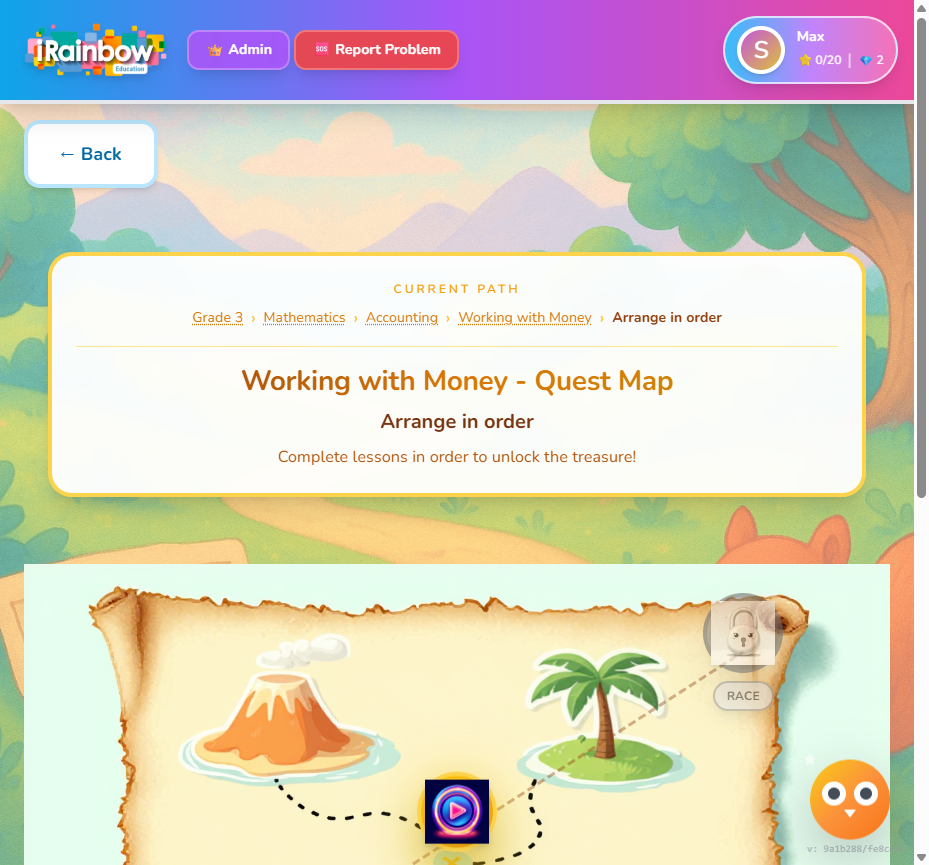
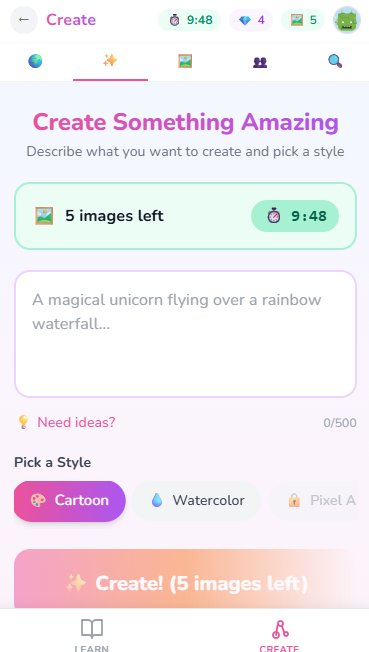
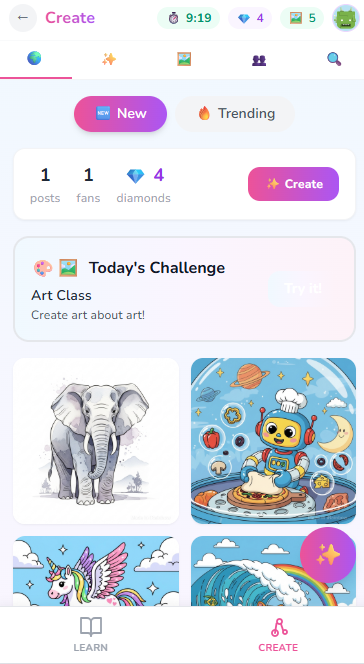
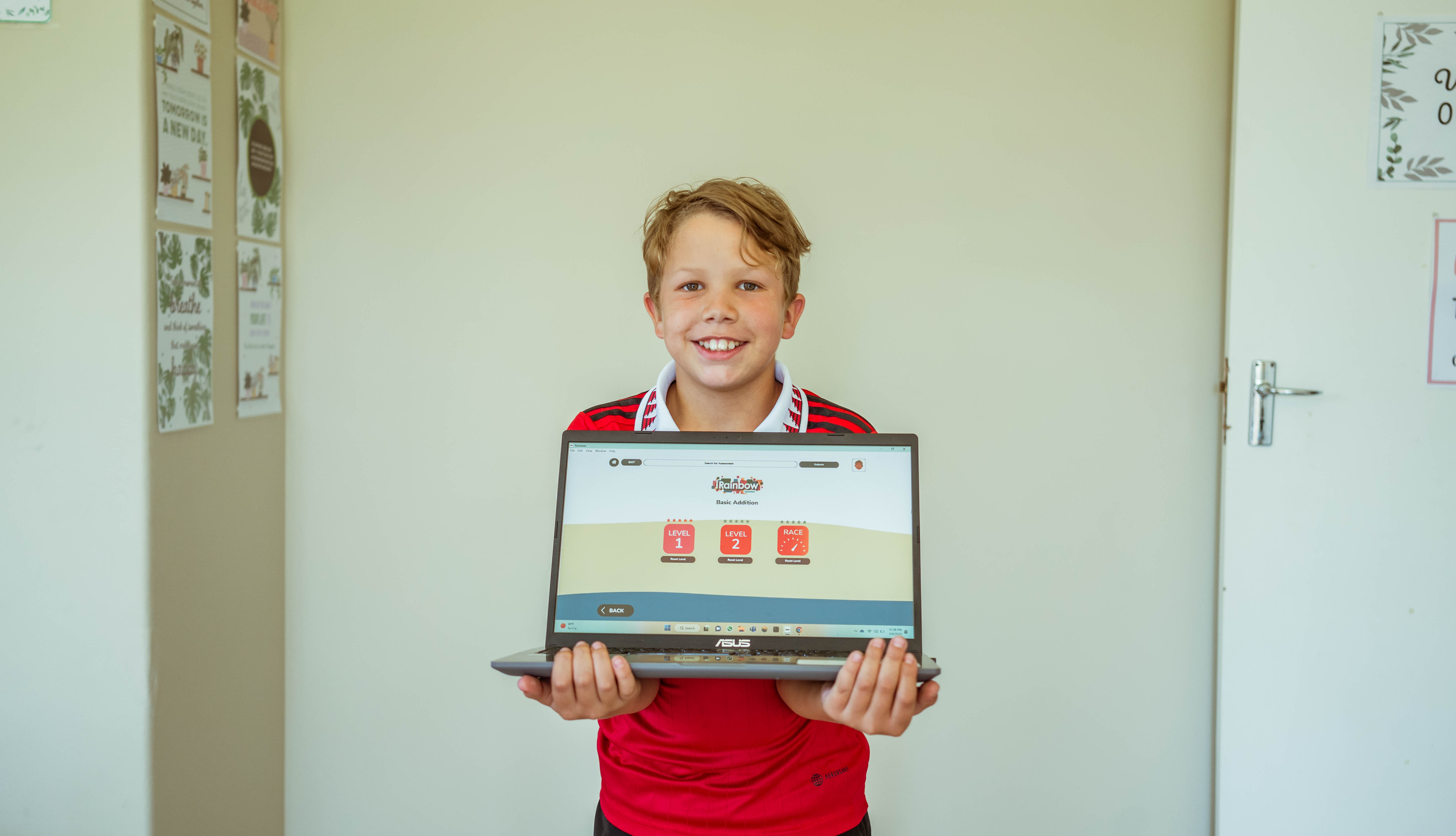
Are you looking for more fun ways to boost learning? Sign up at iRainbow, an innovative offline educational software.

5. Photo Flash

Photo Flash is a visual recall drill that enhances short-term memory by briefly displaying a grid of images and challenging players to name and, optionally, position every picture they saw.

How to play Photo Flash

Spread a series of 8–12 images (on paper or screen) in a grid, then display them for 10–15 seconds before hiding or covering them; players must then write or call out every image they can recall, and the one with the most correct items wins.

How to adjust Photo Flash for older kids

To up the challenge, increase the grid to 16–20 images and slash the viewing time to 5–8 seconds; requires not only naming each picture but also recalling its exact position in the grid.

6. Shadow Snapshot

“What’s Missing?” is a variation of “Kim’s Game” that focuses on remembering a list of items.

How to play Shadow Snapshot

Shadow Snapshot is a silhouette-based memory test that hones visual discrimination and sequential recall. It’s especially helpful for early elementary students to develop a detail-oriented mindset.

How to adjust Shadow Snapshot for older kids

To ramp up Shadow Snapshot for older kids, expand the scene to 12–15 objects and slash the study time to just 5 seconds. Rotate or flip a couple of items before relighting, requiring players not only to name what’s missing but also to pinpoint which shapes moved or changed orientation.

7. Drum Beats

“Drum Beats” is an exciting memory game that will test your child’s focus and auditory memory skills. It can be played both online or with a physical drum set, making it a versatile and engaging memory game for kids.

How to play Drum Beats

One player creates a rhythm on a drum or table. The other players must replicate the rhythm exactly. With each successful round, the pattern becomes more complex, challenging the child’s memory and concentration skills.

How to adjust Drum Beats for older kids

Make longer or more complex rhythms.

8. Simon Says

“Simon Says” is a classic game that helps children develop their listening and concentration skills.

How to play Simon Says

A person is selected as “Simon” and gives commands to the other players, beginning each command with the phrase “Simon says.” The players must only follow the commands that are preceded by “Simon says.” If Simon gives a command without saying “Simon says” first and the players still follow the command, they are out of the game. The last player remaining becomes the next Simon.

How to adjust Simon Says for older kids

Introduce more complex commands or multi-step actions.

9. Telephone

Telephone is a communication-memory game where a whispered message journeys through a player chain, revealing how easily auditory details can shift or distort along the way. It works well with groups of 2–6 players, perfect for classroom “brain breaks,” and family game nights.

How to play Telephone

Have all players sit or stand in a line or circle. The first person thinks of a short, clear phrase and whispers it into the ear of the next player. That player then passes along what they heard, until the final participant announces the phrase out loud. The fun comes from noticing how words shifted or morphed during each whisper.

How to adjust Telephone for older kids

After the final message is revealed, ask players to identify three words that changed from the original, reinforcing recall.

10. Sound-Box Shuffle

Sound-Box Shuffle is an auditory-spatial memory workout that tests players’ ability to track and recall sounds. Sound-Box Shuffle is ideal for children aged 6 and up.

How to play Sound-Box Shuffle

To play Sound-Box Shuffle, line up four opaque boxes and hide a jingly object under one, then lift and gently shake each box in turn so everyone hears which contains the sound. Next, ask players to close their eyes while you silently swap two or more boxes’ positions. When they reopen their eyes, they must point to the box with the jingle maker. Whoever correctly identifies both box and swap path becomes the next “shuffler,” keeping the game fresh and fun.

How to adjust Sound-Box Shuffle for older kids

For an extra challenge, describe the exact sequence of swaps you performed or use five or six boxes instead of four and perform at least three silent swaps.

11. I Went Shopping…

“I Went Shopping…” is a fun activity that promotes cognitive development and enhances both short-term and long-term memories.

How to play I Went Shopping

Participants take turns saying, “I went shopping and bought ______.” The first player starts by naming an item that starts with the letter “A,” such as an apple. The next player repeats the previous item and adds a new one that starts with the letter “B,” such as an apple and a ball.

The game continues in this way, with each player reciting the previously mentioned items and adding a new one that corresponds to the next letter of the alphabet.

This cumulative memory game challenges children’s memory and concentration skills as they try to remember and recall all the items in the correct order.

How to adjust I Went Shopping for older kids

This game can be played with younger children using simple and familiar items, while older children can be encouraged to think of more challenging and creative items to keep the game interesting.

12. Memory Chain

The Memory Chain game is similar to the “I Went Shopping” game. In “Memory Chain” kids build a story by remembering sentences and adding their own.

How to play Memory Chain

“Memory Chain” involves players sequentially building upon a story. One player begins with a simple sentence, and each subsequent player repeats and adds to the prior sentences. The challenge is to remember and recite the growing chain of sentences.

For instance, the game might commence with someone saying, “I have a cat.” The next player continues with, “I have a cat, and she loves to climb trees.” The subsequent participant adds on, saying, “I have a cat, she loves to climb trees, and she chases birds every morning.” The game goes on like this, with each player adding more to the story.

How to adjust What’s Missing for older kids

Add categories or themes.

13. Picture-Pass Story

Picture-Pass Story is a collaborative memory game meant to build sequential recall. Perfect for family gatherings or classroom settings.

How to play Picture-Pass Story

Gather 30–40 small picture cards (icons of animals, objects, actions) and spread them face-up on the table. Player 1 picks any one card, looks at it, then begins a story using that image and flips the card face-down. Player 2 must retell Player 1’s sentence, choose a new face-up card, weave it into the narrative, and flip that card down. Continue until all cards are used.

How to adjust Picture-Pass Story for older kids

The Memory Train challenge uses verbal chaining to enhance working memory. Ideal for primary-school learners to improve basic sentence construction during the most rapid language growth.

14. Memory Train

The Memory Train challenge uses verbal chaining to enhance working memory. Ideal for primary-school learners to improve basic sentence construction during the most rapid language growth.

How to play Memory Train

All the players gather in a circle. Player 1 starts the “train” by saying a simple phrase. Player 2 must repeat that phrase and add their own clause, and each subsequent player does the same. If anyone forgets or misorders any part of the chain, they’re “off the train.” Continue until only one person can flawlessly recite and extend the full sequence.

How to adjust Memory Train for older kids

To challenge older kids, turn Memory Train into a themed vocabulary workout, insisting each new clause fit a category and have them craft multi-clause sentences under a timer.

15. Twenty Questions

Twenty Questions is a deductive-reasoning game in which players hone categorical thinking and memory skills. You’ll find that this game is especially suited for older elementary and middle schoolers.

How to play Twenty Questions

One player thinks of a person, place, or thing, and the others take turns asking yes-or-no questions to try to guess what it is. The guessers have up to twenty total questions to narrow down the possibilities; each question must be answered truthfully by the chooser. If someone correctly identifies the object before the twentieth question, they win and become the next chooser.

How to adjust Twenty Questions for older kids

Introduce themed rounds so players need specific knowledge; for an advanced twist, after the object is guessed, have the group spend 60 seconds describing three clues they deliberately omitted to increase difficulty, reinforcing recall.

Concentration and Focus Challenges

16. The Magic Cup Game

This popular game helps build concentration, an essential aspect of improving short-term memory.

How to play the Magic Cup Game

To play this game, a small object, such as a coin or a small toy, is placed under one of three cups. The cups are shuffled around, and players must guess which cup the object is under.

How to adjust Magic Cup Game for older kids

Make the game more challenging by increasing the number of cups or moving them faster.

17. Memory Map Walk

Memory Map Walk is a memory adventure that strengthens spatial memory while also honing proprioception and body awareness by navigating in a blindfolded state. The game even makes for a comprehensive cognitive and motor skill workout.

How to play Memory Map Walk

To play Memory Map Walk, arrange five to seven “islands” (paper mats, pillows, etc.) on the floor in a pattern, then have players observe you walk the correct route. Next, they close their eyes and attempt to retrace the same path from memory, earning a point for each island they step on in the correct sequence. Continue until someone misses an island, then reset with a new route or let the next player become the guide.

How to adjust Memory Map Walk for older kids

Add decoy islands that weren’t in the original route so they must filter out false steps or require a reverse-walk round back to the start.

18. I Spy

“I Spy” is a classic observation-and-recall game that sharpens deductive reasoning and visual memory skills. Ideal for on-the-go fun, and cooperative learning.

How to play I Spy

First choose a “spy” who silently selects any object everyone can see and then gives one clue, either the object’s first letter (“I spy with my little eye something that starts with B”) or a descriptive trait (“…that is bright red”).

Starting clockwise, each player may pose a yes-or-no question such as “Is it bigger than your hand?” That winner becomes the next Spy. For younger children, limit the playing area to a small corner of the room or garden and use colour clues to keep the game manageable and fun.

How to adjust I Spy for older kids

Allow the group only five yes/no questions before guesses must begin or impose a 60-second timer so the spy keeps the role if no one figures it out in time.

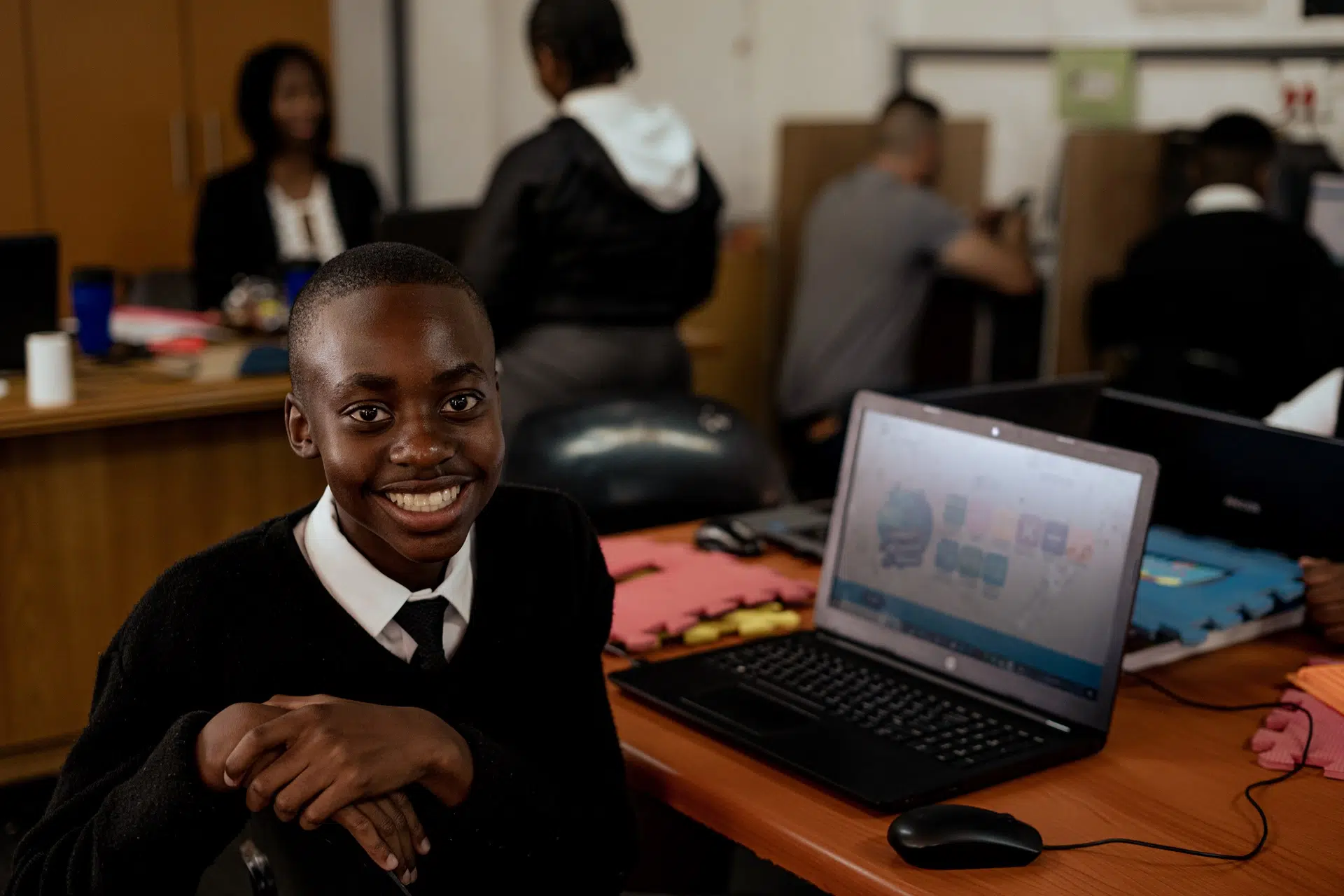
If you’re looking for additional ways to boost your child’s memory, consider signing up with iRainbow — an offline educational software tailored for young learners.

Digital & Online Memory Builders

19. Online Memory Games for Kids

Online memory games for children are a fun and engaging way for kids to enhance their cognitive skills and memory power.

How to play Online Memory Games

Various digital games are designed to test and improve memory. They can range from matching pairs of cards or images within a time limit to sequence replication games.

How to adjust Online Memory Games for older kids

Different difficulty levels are available for different age groups.

Language, Logic & Phonics Memory

20. Rhyming Game

The “Rhyming Game” is a fun educational game that helps children enhance their language and phonics skills.

How to play the Rhyming Game

One person starts by saying a word, and then the next person has to think of a word that rhymes with it. For example, if the first person says “cat,” the next person could say “hat.” The game continues with each person taking turns to develop a rhyming word.

How to adjust the Rhyming Game for older kids

Use multi-syllable words or specific themes.

21. Picture Bingo

“Picture Bingo” is a popular fun memory game for kids that helps improving memory skills, concentration, and visual perception.

How to play Picture Bingo

Each player is given a bingo card that contains a grid of pictures. The caller picks a card from a deck and reveals it to the players. The players must then match the image on the card to one of the pictures on their bingo card.

If they have a match, they can cover the picture with a token or marker. The first player to cover a line of pictures, either horizontally, vertically, or diagonally, wins the game.

How to adjust Picture Bingo for older kids

Swap simple clip-art for photography, infographics, or pop-culture art tied to a unit you’re studying (e.g., ecosystems, classic novels, influential scientists, world cuisines).

Sensory-Based Memory

22. Taste Test Recall

Taste Test Recall is a memory exercise that combines food and sequential recall, asking players to sample a series of blind-tasted foods and then reproduce the exact tasting order. Perfect for small groups or classroom stations, it’s equally fun at home or camps.

How to play Taste Test Recall

Prepare a few safe-to-eat food samples and present them in a fixed order. Have the players close their eyes, then let each taste the samples one at a time. After tasting, remove the samples and ask players to name each item in the exact sequence they experienced it.

How to adjust Taste Test Recall for older kids

Add subtly flavoured items, such as herb-infused crackers or fruit-infused water. After the tasting, require them not only to name each item in order but also to describe one key characteristic.

Conclusion

Memory games play a crucial role in the developmental journey of children, sharpening their cognitive faculties while providing a source of entertainment. These activities enhance skills such as concentration, recall, and observational abilities, which are essential for a child’s educational development.

The adaptability of these games to suit various age groups ensures that as children mature, the games continue to challenge and engage their evolving minds. The benefits of such games include improved academic skills, problem-solving abilities, and enhanced social interactions during play.

Utilising tools like iRainbow’s educational software further supports this developmental process, offering a structured approach to memory enhancement. Engaging children in memory games is a proactive step toward fostering a well-rounded child. Sign-up for iRainbow today to enhance their learning experience.

Related Posts